
Here are three of my favorite pieces from Victo Ngai.
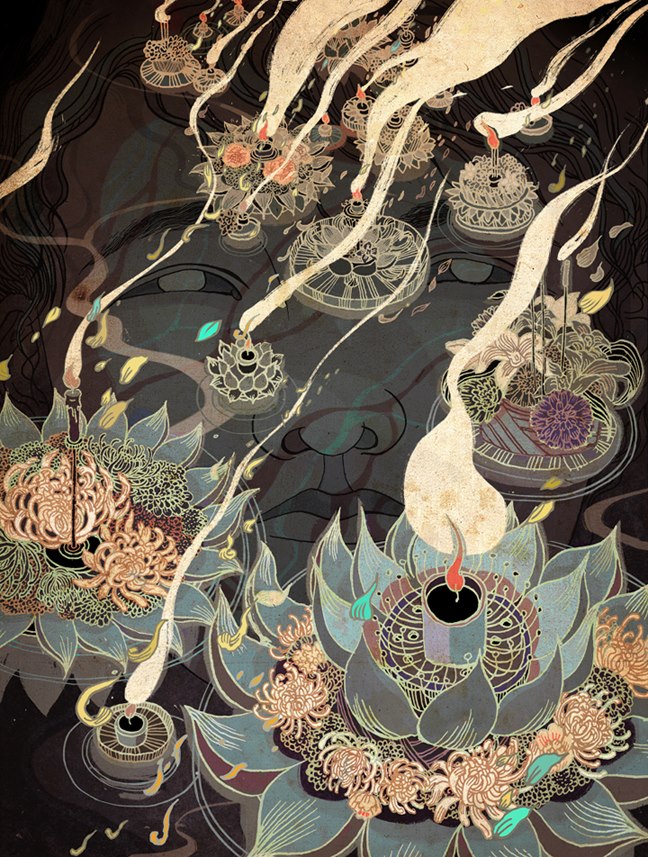
I couldn’t place why her work looked so familiar until viewing her client list and realizing that I most likely saw it in The New Yorker. This dazzling image in particular:

So lovely…
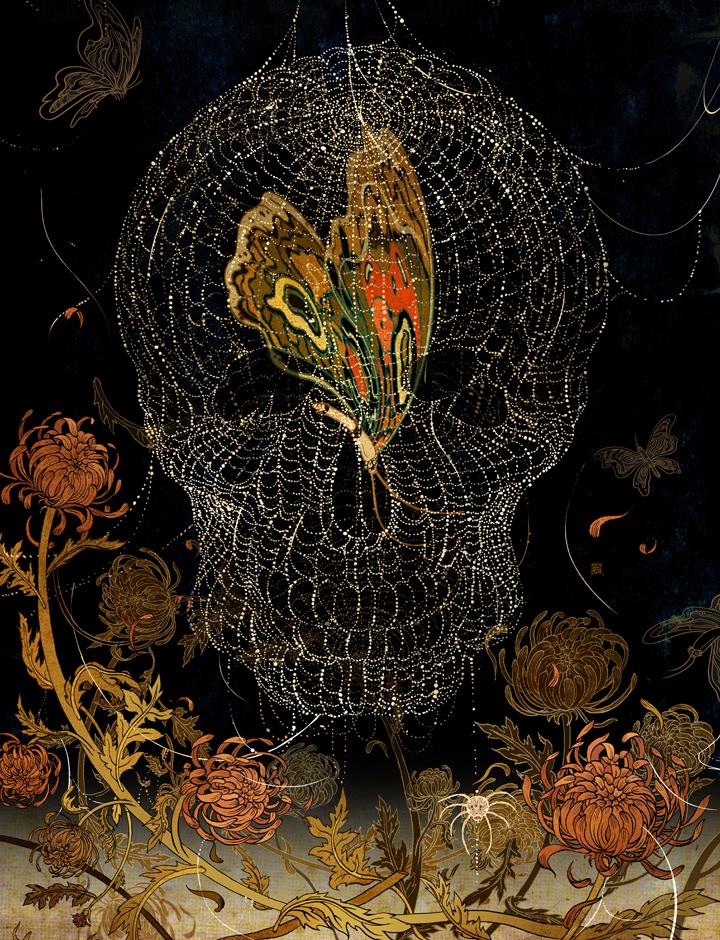
Here are three of my favorite pieces from Victo Ngai.
I couldn’t place why her work looked so familiar until viewing her client list and realizing that I most likely saw it in The New Yorker. This dazzling image in particular:
So lovely…
This charming little video comes from one of my friends via the SWS facebook page (Thank you Christine!)
Look at these expressive faces!


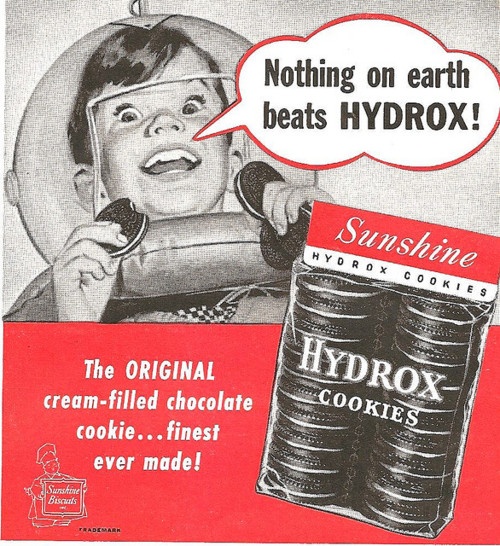

The most perfectly melted cheese I’ve ever seen…in a necklace.

Um, just throw enough leftover crap excavated from couch cushions, past holiday waste and candy dishes on top. VIOLA…festive cake!


Until now, I’m sure you’ve underestimated the sensual qualities of lettuce.

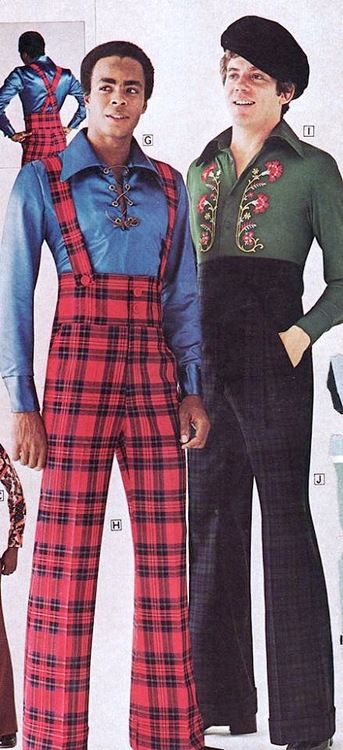
Sweet, sweet style.


I’ll finish with this sexy vintage shark.

Nature will always be THE original artist.
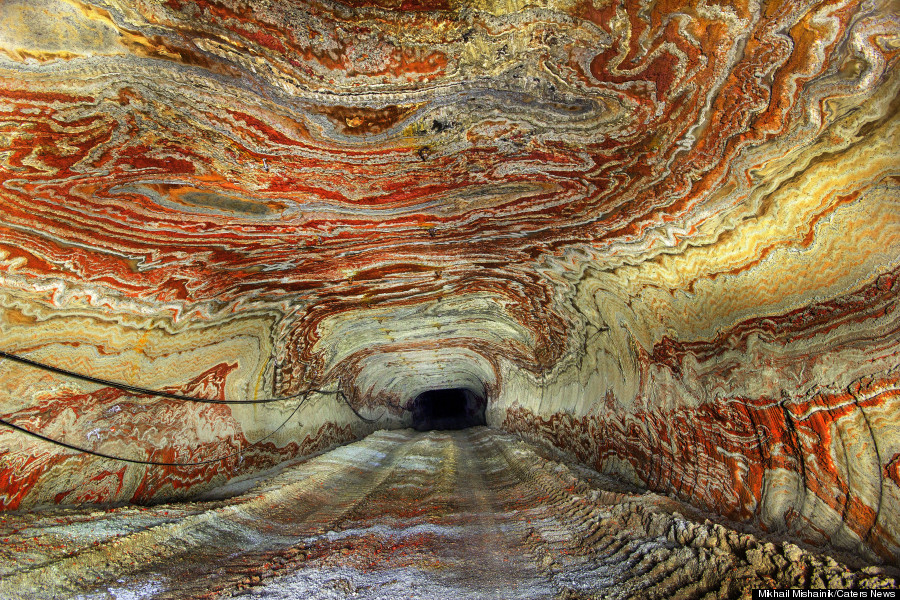
These photos were taken deep underground within the miles of abandoned mines beneath Yekaterinburg, Russia. Layers of carnallite — a mineral used in fertilizers — band the tunnel walls, producing these technicolor masterpieces.

Shortly after seeing this article, I came across another article with a series of 10 gorgeous colorful locations. Definitely check them out.
The idea of “interspecies sculpture” captured my attention (as long as it is entirely respectful of all species involved). Here we have the provocative juxtaposition of popular human design and apiary architecture.

Aganetha Dyck who for years has been working with the industrious insects to create delicate sculptures using porcelain figurines, shoes, sports equipment, and other objects left in specially designed apiaries. As the weeks and months pass the ordinary objects are slowly transformed with the bees’ wax honeycomb.

Born in Manitoba in 1937, the Canadian artist has long been interested in inter-species communication and her research has closely examined the the ramifications of honeybees disappearing from Earth. Working with the insects results in completely unexpected forms which can be surprising and even humorous.

See more photos and a great video at the source.
Desktop goodies are building up way faster than I can comment on all of them (I tend to save at least 20 images a day, and have never attempted to get my digital collecting in check).
Here are some images that speak for themselves.




The Sick Rose: Disease and the Art of Medical Illustration

The Sick Rose is a visual tour through the golden age of medical illustration. The nineteenth century experienced an explosion of epidemics such as cholera and diphtheria, driven by industrialization, urbanization and poor hygiene. In this pre-color-photography era, accurate images were relied upon to teach students and aid diagnosis. The best examples, featured here, are remarkable pieces of art that attempted to elucidate the mysteries of the body, and the successive onset of each affliction. Bizarre and captivating images, including close-up details and revealing cross-sections, make all too clear the fascinations of both doctors and artists of the time. Barnett illuminates the fears and obsessions of a society gripped by disease, yet slowly coming to understand and combat it. The age also saw the acceptance of vaccination and the germ theory, and notable diagrams that transformed public health, such as John Snow’s cholera map and Florence Nightingale’s pioneering histograms, are included and explained. Organized by disease, The Sick Rose ranges from little-known ailments now all but forgotten to the epidemics that shaped the modern age. It is a fascinating Wunderkammer of a book that will enthrall artists, students, designers, scientists and the incurably curious everywhere.
I couldn’t find much written info about Neli Josefsen, but she is responsible for this i-can’t-believe-it’s-a-cake creation.
This is edible!
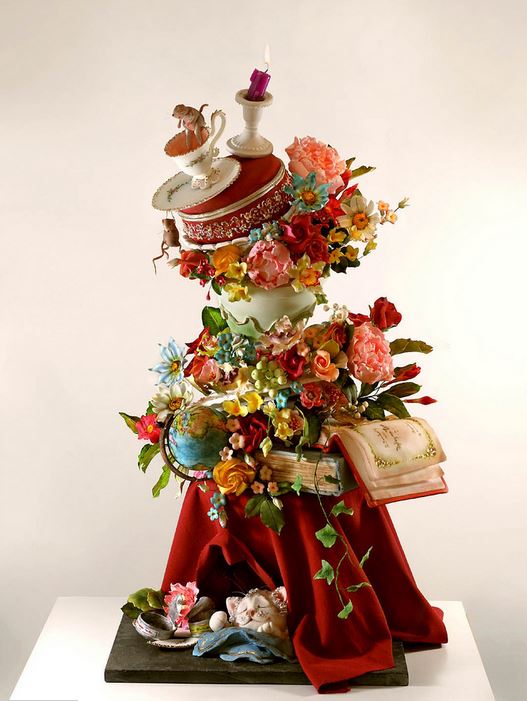
Anyone have favorite cake artists?
Behold Queen Tardigrade!

She is just one of many bright, densely packed lowbrow delights from Thomas A. Gieseke.
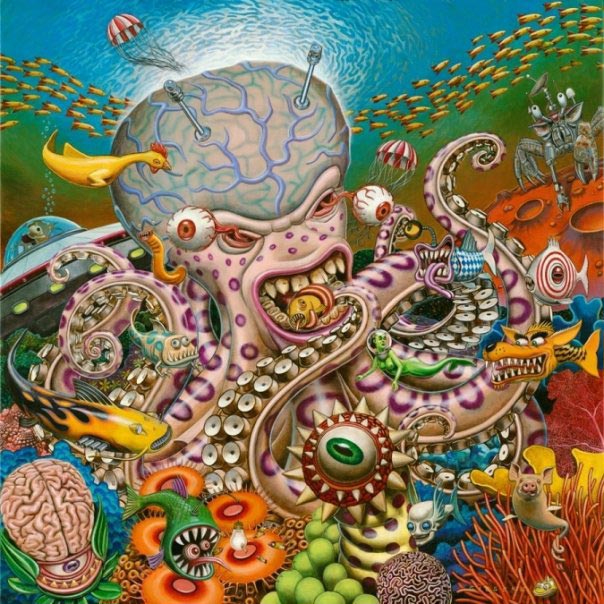
This one is a favorite of mine, in part due to the title: The Extrovert Leaves the Introvert to His Own Devices:

We introverts do love that.


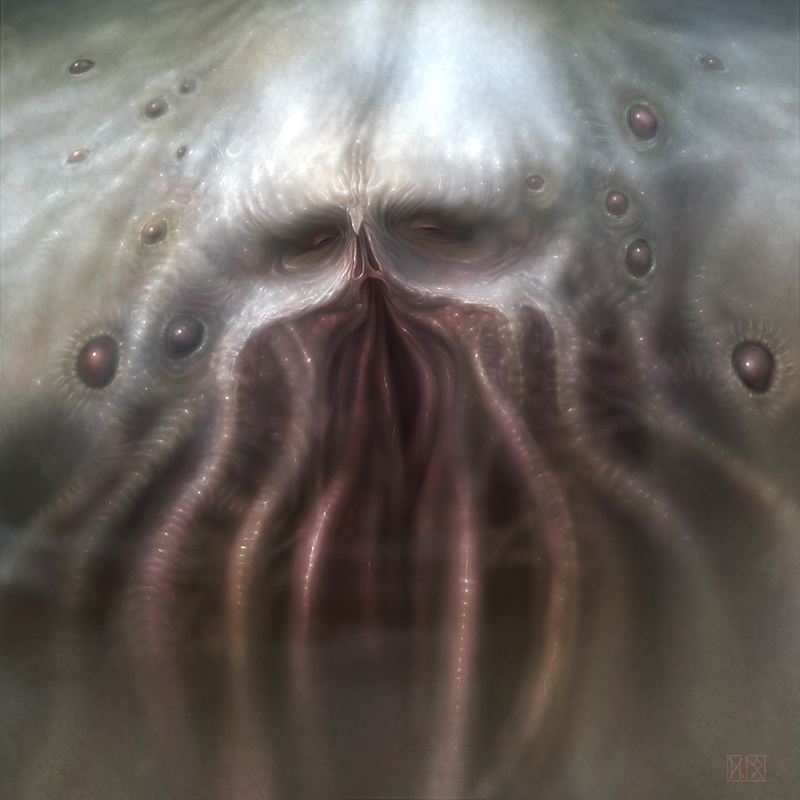

 SheWalksSoftly