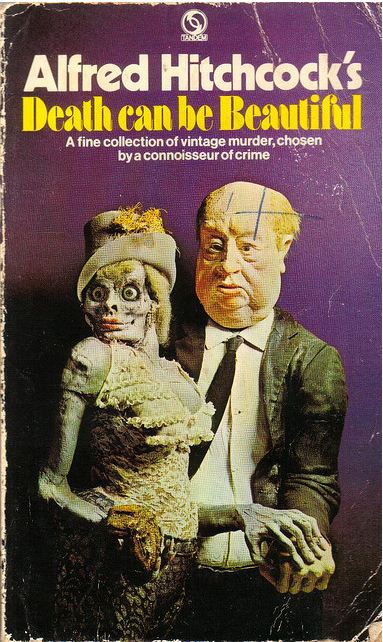
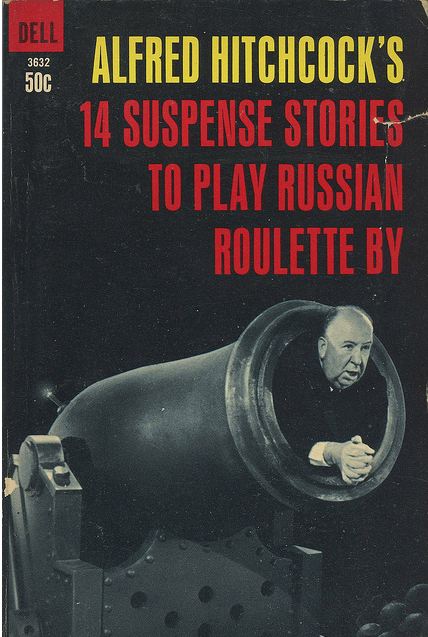
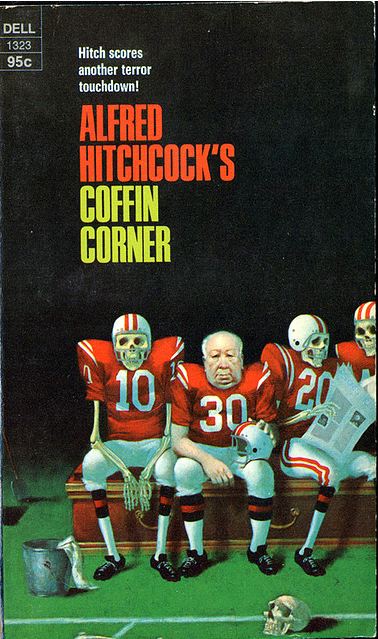
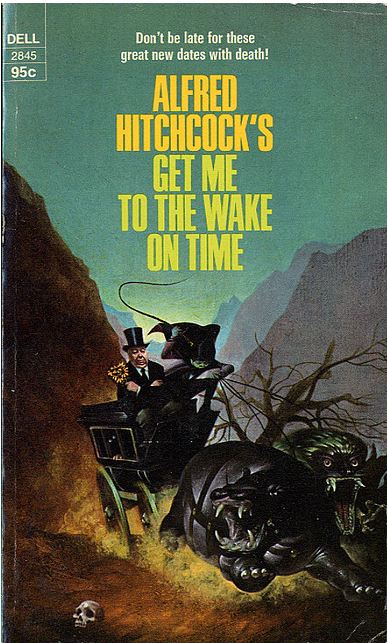
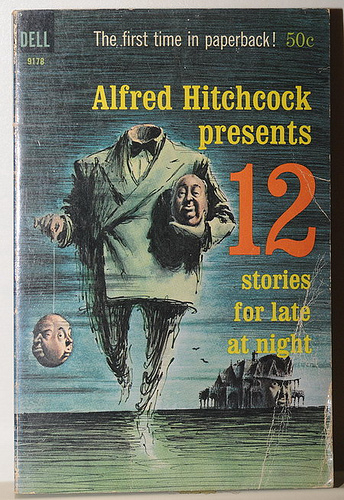
The master of suspense had many books. While I’ve enjoyed his TV shows and movies very much, I don’t think I’ve actually read any of the books. However, I adore the vintage book covers, almost all of which have Hitchcock himself somehow incorporated (often humorously) into the artwork. I’ve managed to collect many images of them over the years, so here’s the first installment.
I apologize if I’ve posted some of these before. I forgot to clean out my “desktop goodies” folder and I may be repeating myself (though I don’t think so). Either way, these treasures are worth seeing.
This is real!
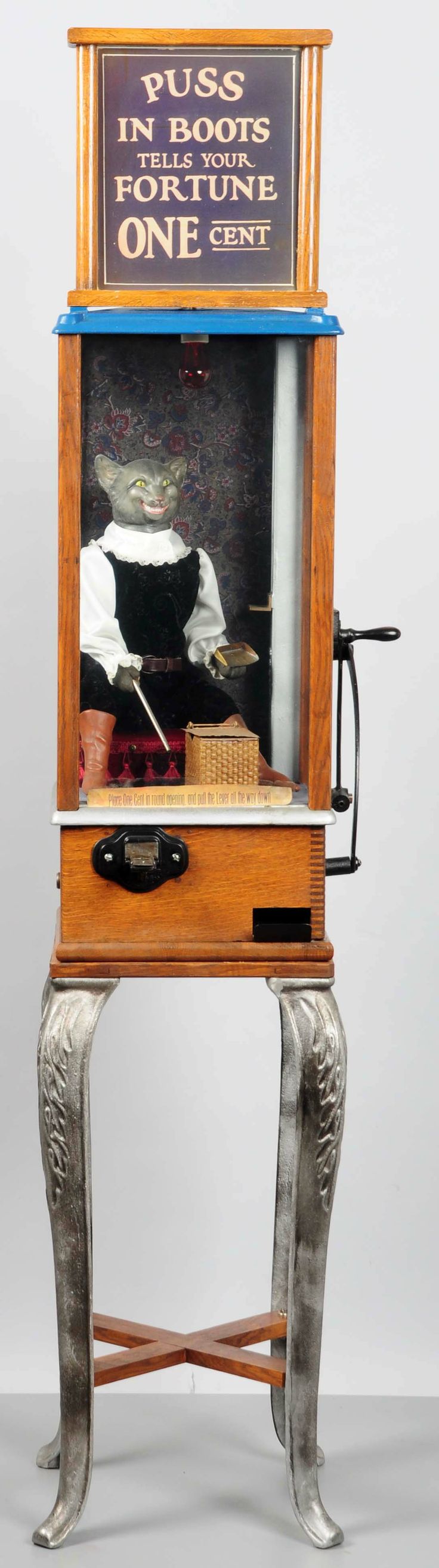
I’ve seen fortune teller automata before, but never Puss in Boots. He sees straight into your soul. It burns.
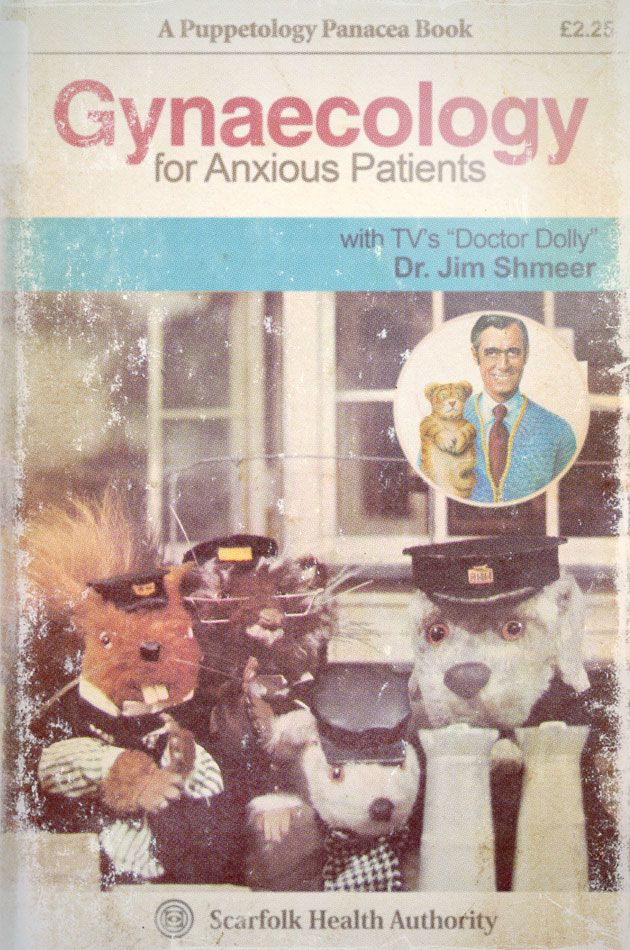
Take a moment to really absorb and digest this book. This may be one of the most horribly absurd things I’ve seen, and that’s saying something.
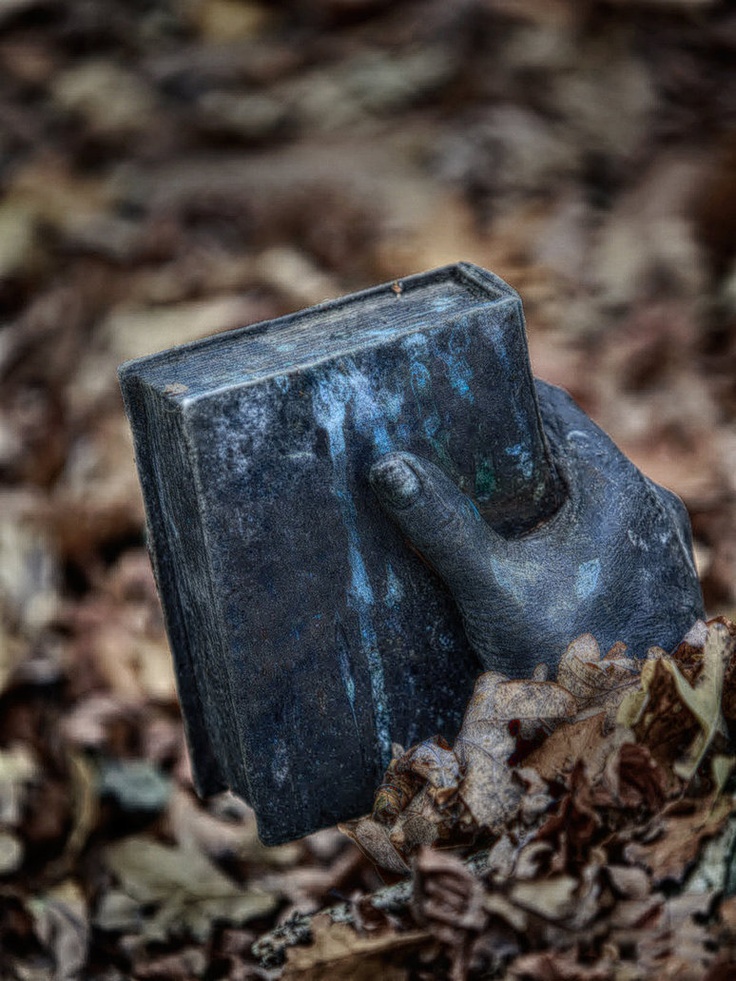
I love this headstone. If I am interred, I hope I get a lot of reading done down there.
Famous monster candle making? Sign me up!
Need I comment on this? I think not.
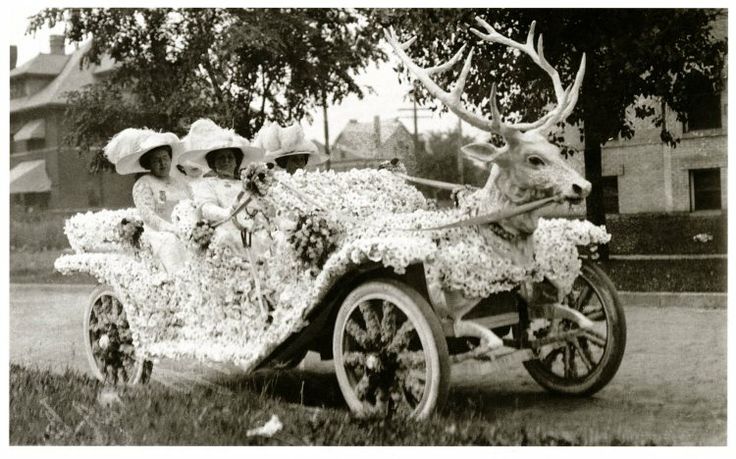
Where’s the bumper sticker that says MY OTHER CAR IS A FLOWER COVERED CARRIAGE STEERED BY A GIANT DEER HEAD?
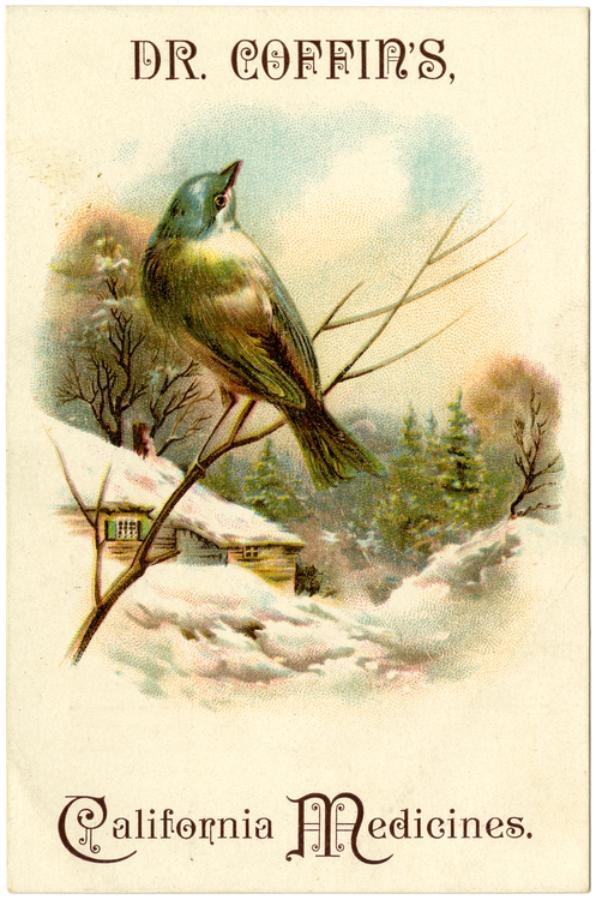
Dr. Coffins wonders why his private practice attracts very few patients.
My The Morbid Anatomy Anthology just arrived, and I absolutely must sing its praises. I can’t wait to dive in and devour every word and image!
Since 2008, the Morbid Anatomy Library of Brooklyn, New York, has hosted some of the best scholars, artists and writers working along the intersections of the history of anatomy and medicine, death and the macabre, religion and spectacle. The Morbid Anatomy Anthology collects some of the best of this work in 28 lavishly illustrated essays. Included are essays by Evan Michelson (star of Science Channel’s hit show Oddities) on the catacombs of Palermo; Simon Chaplin (head of the Wellcome Library in London) on public displays of corpses in Georgian England; mortician Caitlin Doughty on demonic children; and Paul Koudounaris (author of Empire of Death) on a truck stop populated with human skulls. In addition are pieces on books bound in human skin, death-themed cafes in fin-de-siècle Paris, post-mortem photography, eroticized anatomical wax models, taxidermied humans and other animals, Santa Muerte, “artist of death” Frederik Ruysch, and much more.
There are some brilliant minds and expert curators behind this book (namely, Joanna Ebenstein and Colin Dickey). If you are a fan of this blog, you should definitely pick it up! It’s an amazing treasure trove (and really fairly priced…even for a penny pincher like me!). Support these great folks. They deserve it.
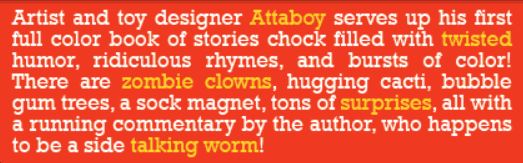
Attaboy has written a book I feel is worth having for the title alone.
Doesn’t this sound wonderful? Look at the contents!
I do not have kids, but would be excited to give this to any little ones in my life. Honorary nieces, nephews and godchildren…your Fairy Gothmother has something for you…
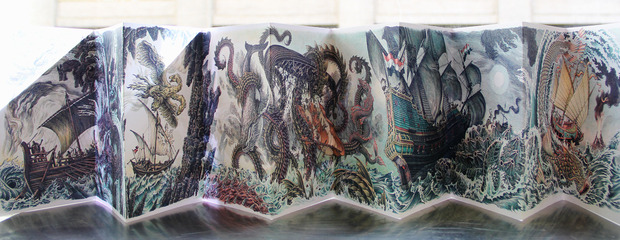
If it were not double sided, I would think this suitable for framing in a very long frame.
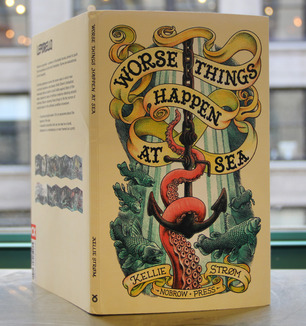
From the source: “Worse Things Happen at Sea” is a double-sided panorama chronicling mythical maritime adventures. From a more modern tale of a massive squid pulling a plane out of the air with its monstrous tentacles to the classic image of vikings beleaguered by strong storms and ferocious dragons, Strøm uses his serious illustration chops to recreate the mythical world his imagination seems to innately conceive.
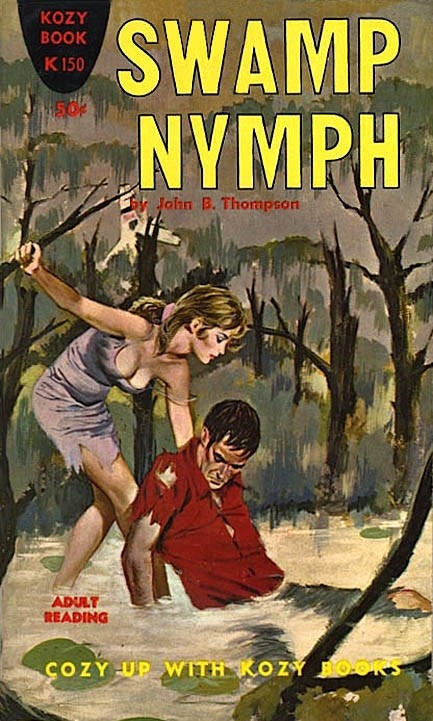
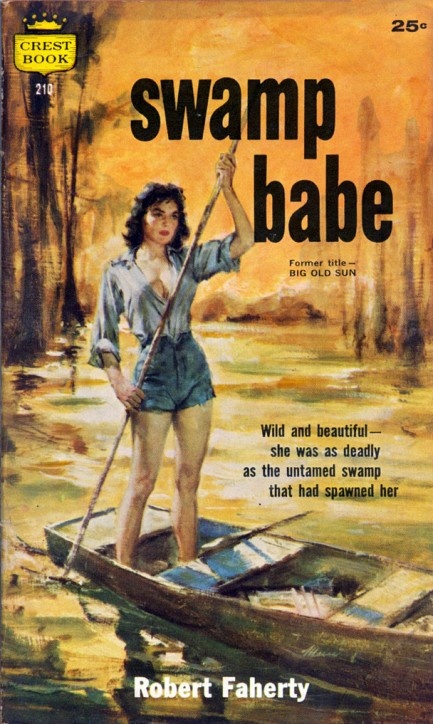
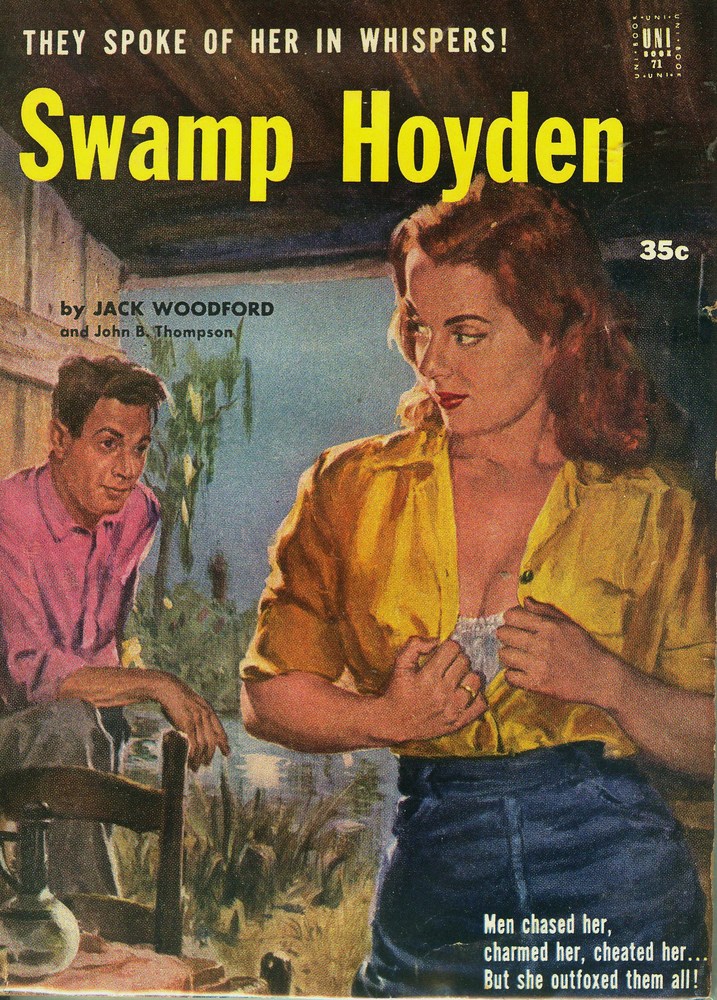
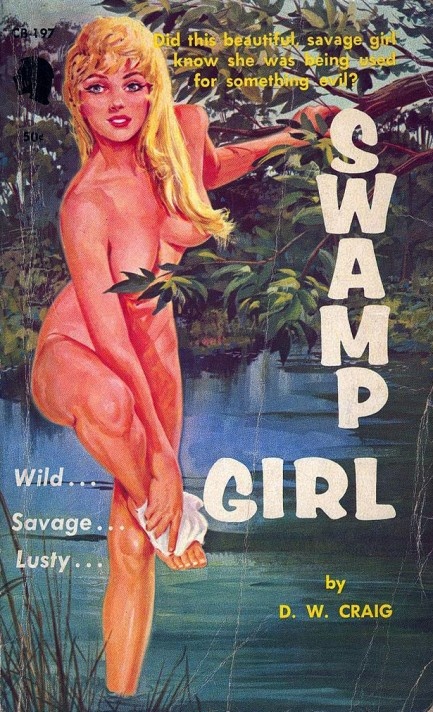
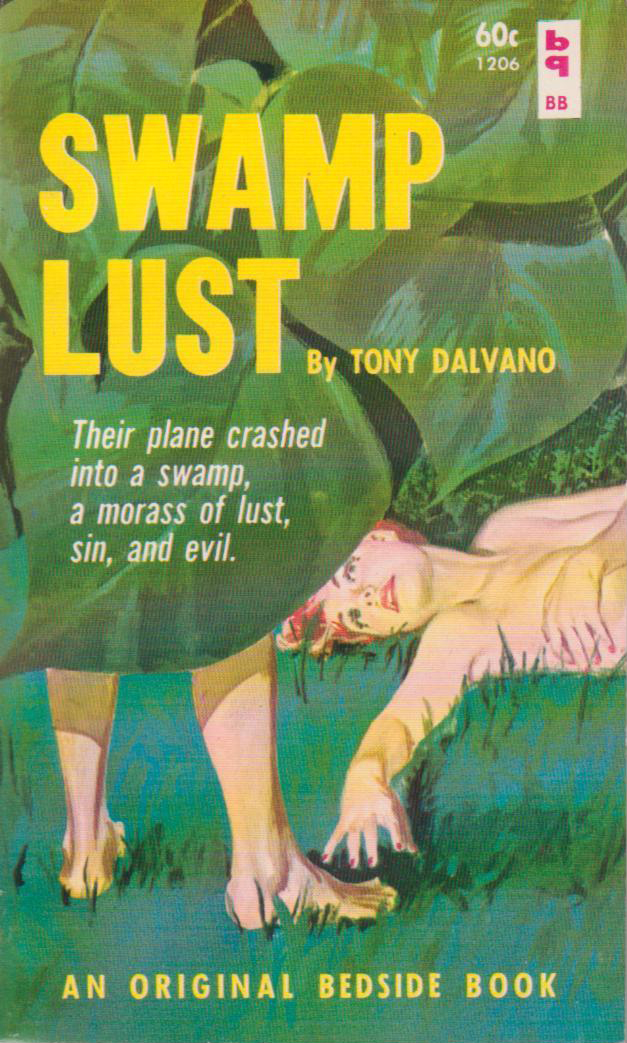
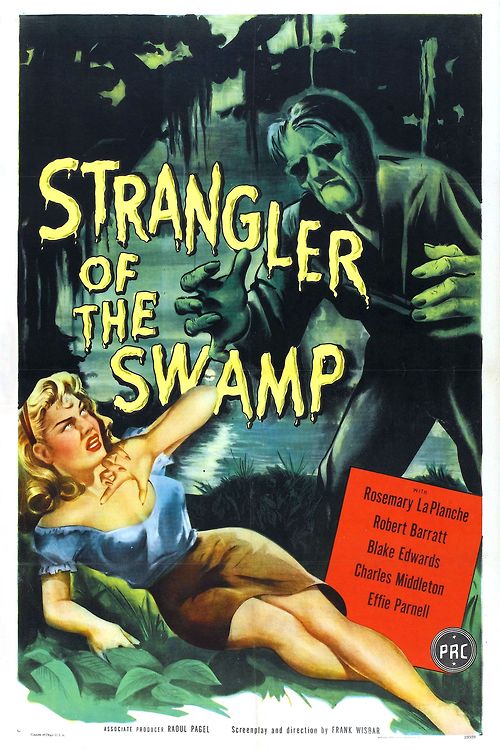
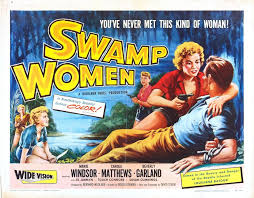
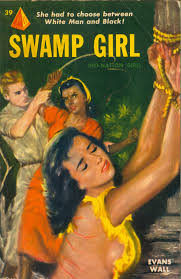
Through dear old Pinterest, I discovered a most unexpected literary (and film!) subgenre: SWAMP PULP.
Swamps strike me as one of the LEAST sexy ecosystems to cozy up with someone…but what do I know? Swamps are clearly infested with rampant sexuality.
Apparently there was such a market for this that multiple authors and film makers chose the same swampy titles.
Oh, we’re still going…
Yes, there are more…
Why stop now?
Are you enjoying yourself? Are you thinking about swamps?
Not yet? Okay, have some more…
And this was just the small sample I found. I’m intrigued (not intrigued enough to read about swamp nymphs…but quite astounded that they have been such a prominent feature in dime store novels).
The Sick Rose: Disease and the Art of Medical Illustration appears to be a very interesting book, though perhaps not altogether pleasant to thumb through. For me, this is not an issue, as fascination tends to trump aversion when it comes to how people process, depict and publish the daunting mysteries of an era.
The Sick Rose is a visual tour through the golden age of medical illustration. The nineteenth century experienced an explosion of epidemics such as cholera and diphtheria, driven by industrialization, urbanization and poor hygiene. In this pre-color-photography era, accurate images were relied upon to teach students and aid diagnosis. The best examples, featured here, are remarkable pieces of art that attempted to elucidate the mysteries of the body, and the successive onset of each affliction. Bizarre and captivating images, including close-up details and revealing cross-sections, make all too clear the fascinations of both doctors and artists of the time. Barnett illuminates the fears and obsessions of a society gripped by disease, yet slowly coming to understand and combat it. The age also saw the acceptance of vaccination and the germ theory, and notable diagrams that transformed public health, such as John Snow’s cholera map and Florence Nightingale’s pioneering histograms, are included and explained. Organized by disease, The Sick Rose ranges from little-known ailments now all but forgotten to the epidemics that shaped the modern age. It is a fascinating Wunderkammer of a book that will enthrall artists, students, designers, scientists and the incurably curious everywhere.
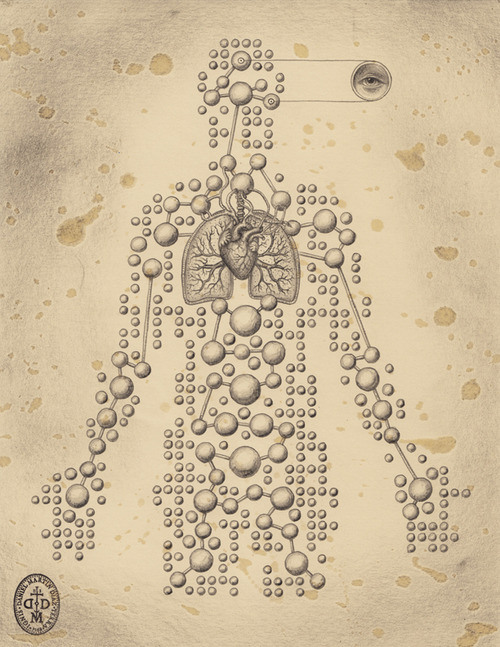
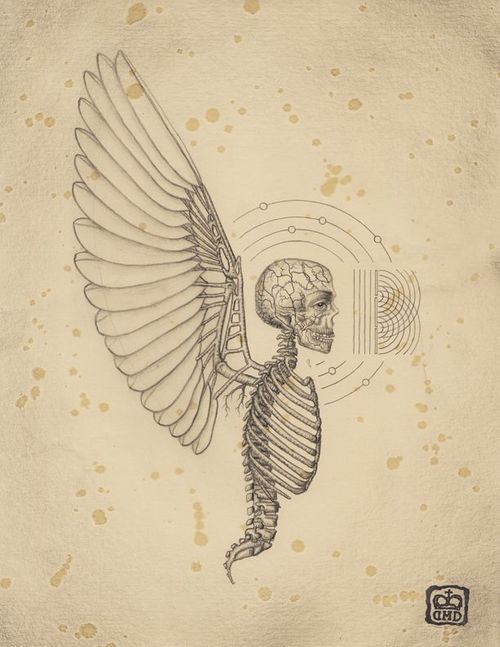
Daniel Martin Diaz: Soul of Science is a series that speaks to me on such a personal level, as I am always steeped in some swirling combination of art, science, consciousness and philosophical musings…
In the artist’s own words: In the fall, I became immersed in scientific and philosophical theories. In particular, I was obsessed with scientific diagrams, which explain theories and properties through drawings.
My interests also included subjects such as self-aware systems, philosophy, cellular automata, phase transitions, time travel, mystical behaviors at atomic and sub-atomic levels, and the mysteries of consciousness.
Although these rudimentary drawings were without any leanings towards aesthetics, I found them to be beautiful, though that is clearly not their intention. I was inspired to create my own interpretations of the concepts of consciousness and other theories on a scientific, philosophical, and spiritual level through a simplified means such as drawing.
All of the projects I have created begin as drawings, which I feel have a beauty and intimacy that paintings cannot capture. The subtle lines that graphite creates and the quickness with which one can capture an idea makes this medium alluring.












 just arrived, and I absolutely must sing its praises. I can’t wait to dive in and devour every word and image!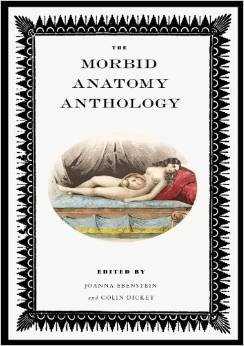













 SheWalksSoftly