
The Drummond Lab created this awesome bronze 3D printed model of a yeast cell dividing. Late-anaphase…

If I had a 3D printer…I’m sure cellular models would inch toward the top of my to-make list. I love this thing!
The Drummond Lab created this awesome bronze 3D printed model of a yeast cell dividing. Late-anaphase…
If I had a 3D printer…I’m sure cellular models would inch toward the top of my to-make list. I love this thing!
Unfortunately, I’m running out of image space in my blog storage so I can’t post these full size. They’re very much worth looking at in full resolution because Brian Demers is a cross hatching virtuoso.

It’s hard to tell at this size, but these pieces are made pretty much entirely of tiny delicate line strokes.
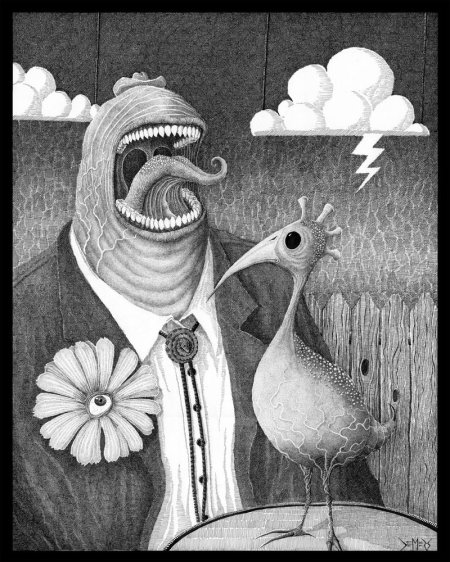
Regarding his work, Demers states: “I work in ink because there is no going back; once the stroke has been laid, it is permanent…much like decisions in life. My work is very personal, and explores themes of alienation and absurdity. I’m a very solitary person, and utilize art to attempt to understand the strangeness of the world that I see around me.”
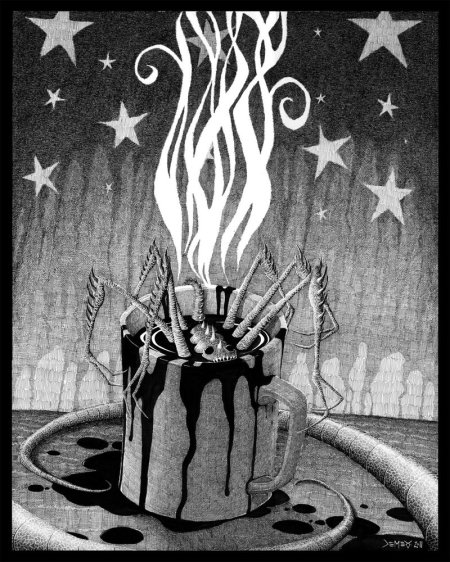
Huh…it never occurred to me to think of pencil as particularly non-committal in art, but he does have a point about pens.
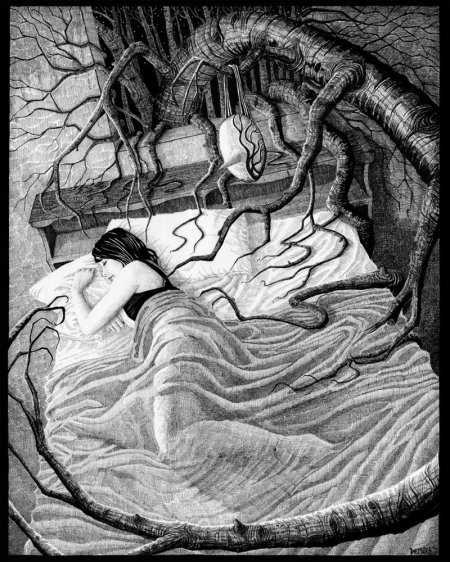
See more, and the full size images here.
Another great show opens at Haven Gallery tonight!

From the show description:
The art of music has spanned centuries and served a number of purposes throughout time. The power of music can be both a unifying force as well as one of individual solace. In other cases, it can also be one of discord or even anguish.

The ability for expression through sound has proven to serve a variety of purposes; inspiration, comfort, pain and bringing people together. In “Music Box”, artists look to a lyric, song title, band name, etc., to influence them for the creation of their artwork.

The intertwining of music with the artist’s medium will be contemplated and embraced. The creative expression of music and how it relates to the artist’s technique, medium, mentality and/or subject on an emotional and physical level will also be considered.

Stop by in person from 6-8pm, or see the show online HERE.
Pangea Seed and 1xRun teamed up to create Sea Walls: Murals for Oceans.
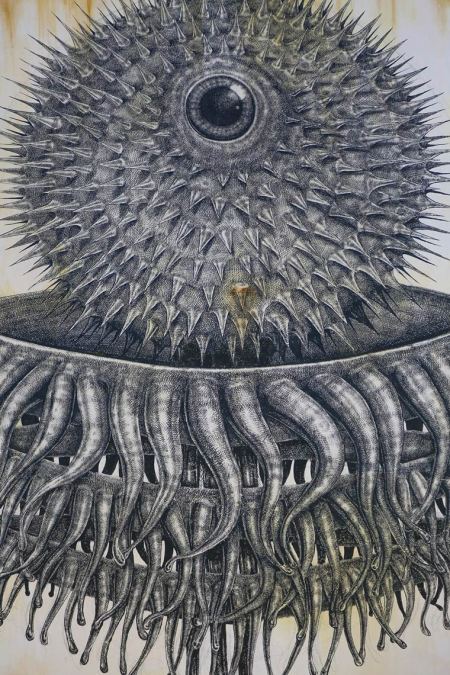
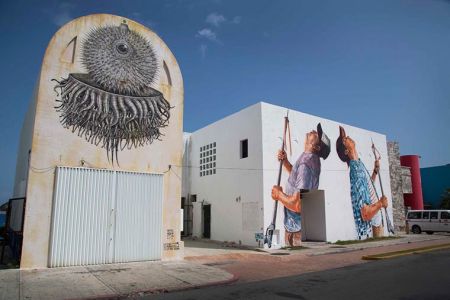
The goal of the project is to gather the world’s greatest street artists to help raise money and further awareness of environmental issues through art.
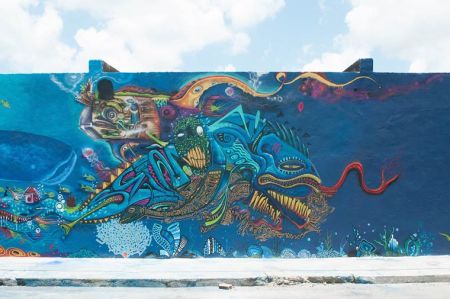
The talent in this series is staggering. There are some truly captivating murals.
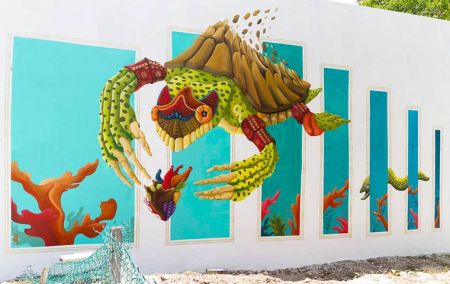
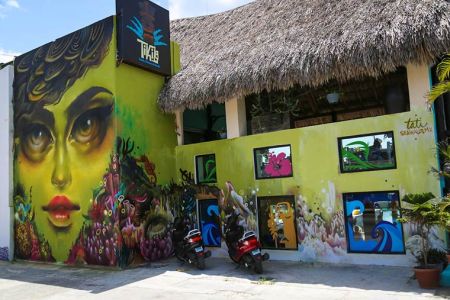
See many more at the Source
Buzzfeed has a collection of hilarious public signs and notices that leave the viewer wondering what on earth happened to necessitate the explicit clarification of these “rules” (though in many cases, it’s pretty obvious…and unfortunate).

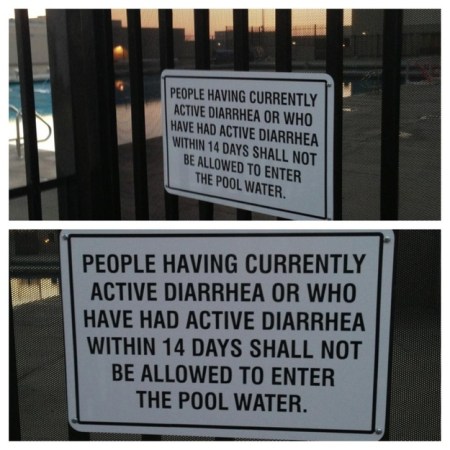


I truly hope this was done for shock-value by a street artist.
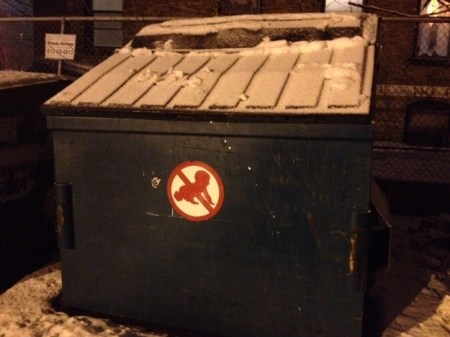
And I hope this is a metaphorical existential reminder that lofty ideas must be brought down to earth and translated into action.

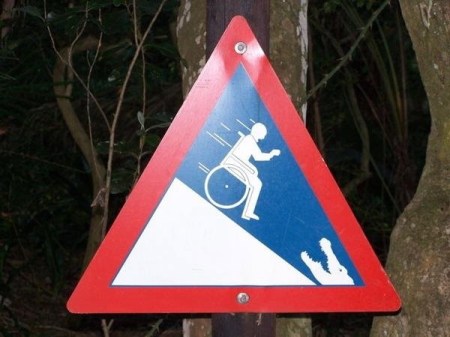
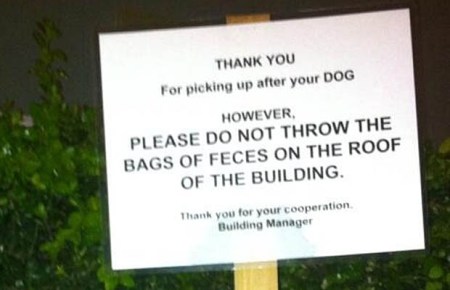
See the rest HERE.
I purposely made mention of these works being photorealistic rather than actual photographs in the title of this post, because there’s absolutely no way I would have been able to tell the difference.
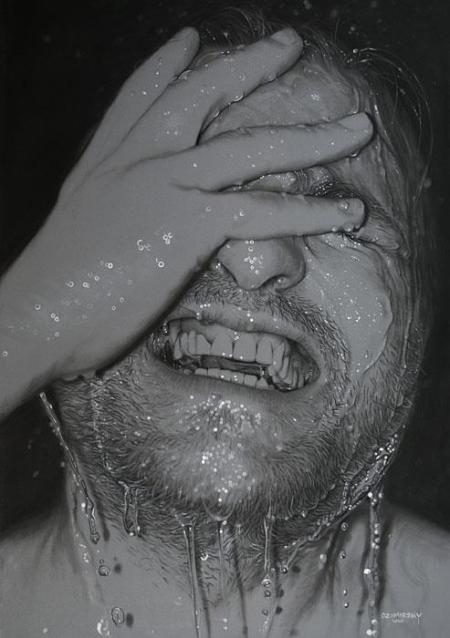
Dirk Dzimirsky is one of the most phenomenal photorealism/hyperrealism artists I’ve ever seen. Those featured here are charcoal/graphite, but he paints just as well.


How have I never posted about Femke Hiemstra in all the years I’ve been following her work?
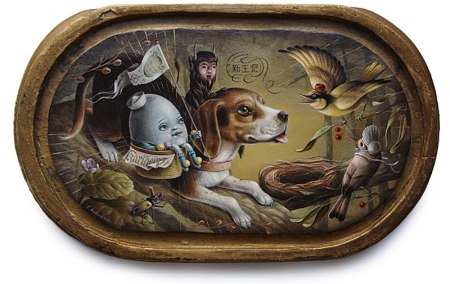
She’s one of the greatest in pop surrealism’s large pool of imaginative, “anthropomorphizers” (that’s absolutely not a word, but it should be). Femke has a background in illustration, so we encounter typography and other hints of illustrative technique mixed with beautifully executed fine art.
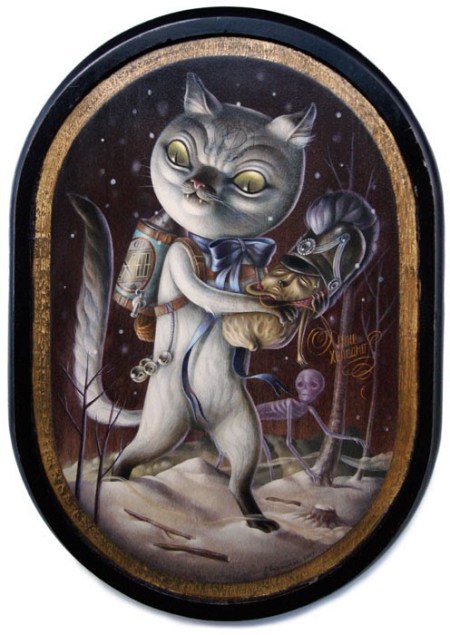
She doesn’t use social networking, which find incredible in this day and age (I’m notoriously awful at social networking. I cannot keep up with it because my head is always in other things. I can’t help but admire those willing to ignore the phenomenon completely).

You can read a good interview over at WOWxWOW.
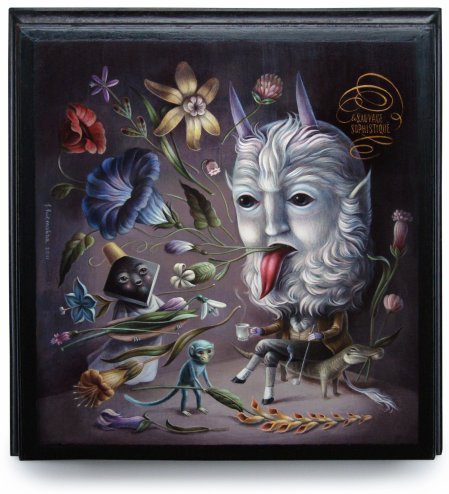
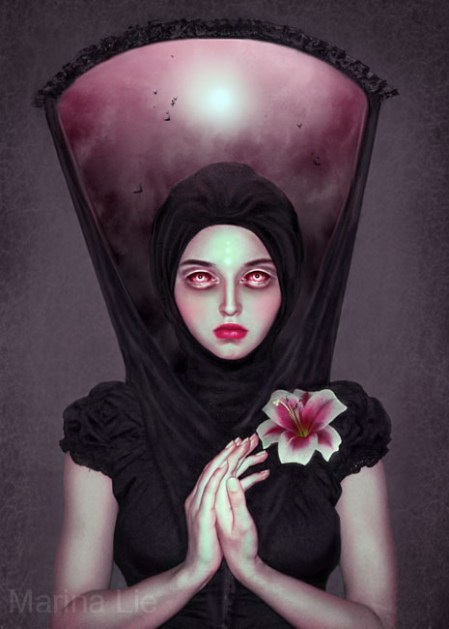
Marina Lie’s work reminds me of Natalie Shau (one of my all time favorites whom I’ve posted about three or four times).
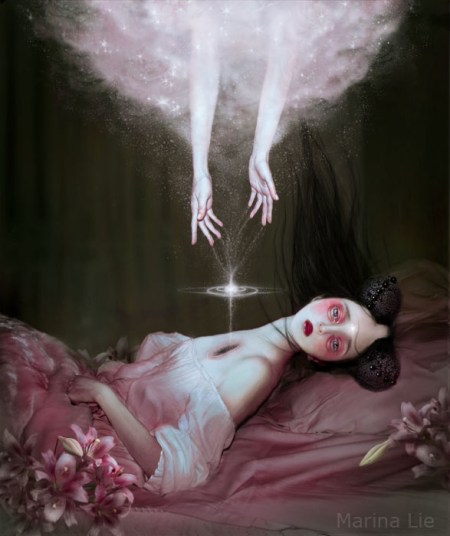
Her intense, ethereal visions seems to penetrate the soul…


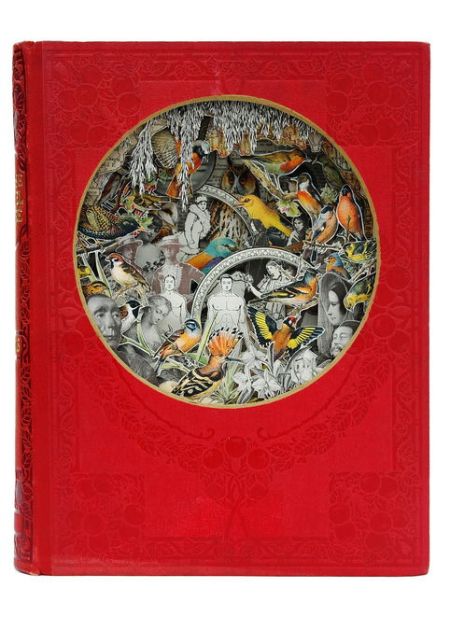
Alexander Korzer-Robinson transforms antiquarian encyclopedias into stunning shadow boxes, as if to three dimensionally vivify the rich content between the pages.
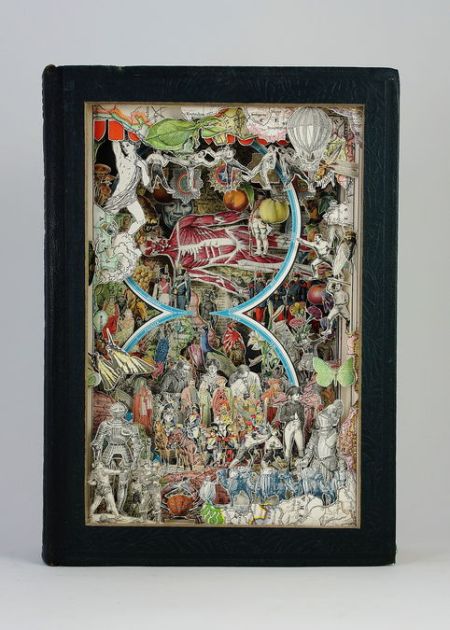
His use of vintage materials and handpicked images is akin to the process of memory itself; simultaneously selective and reconstructive.

From the artist statement:
By using pre-existing media as a starting point, certain boundaries are set by the material, which I aim to transform through my process. Thus, an encyclopedia can become a window into an alternate world, much like lived reality becomes its alternate in remembered experience.

These books, having been stripped of their utilitarian value by the passage of time, regain new purpose. They are no longer tools to learn about the world, but rather a means to gain insight about oneself.
I’m sure I’ve posted this before, but this vintage New Year potato is my favorite greeting of all time for this day. Maybe I’ll make it a tradition to post him every year.
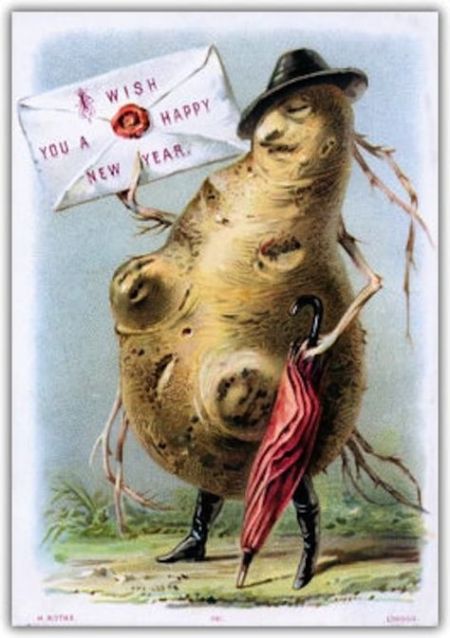

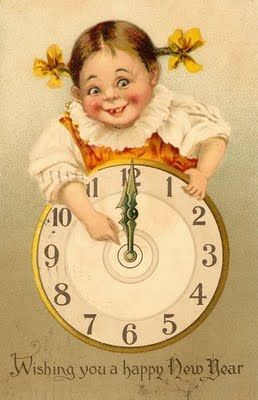

Wishing you all a wonderful 2016!
 SheWalksSoftly