
Fritz Lang’s Metropolis (1927) is a classic favorite of mine.
Michael W. Kaluta published a fantastic series of illustrations in a 1988 Metropolis adaptation.

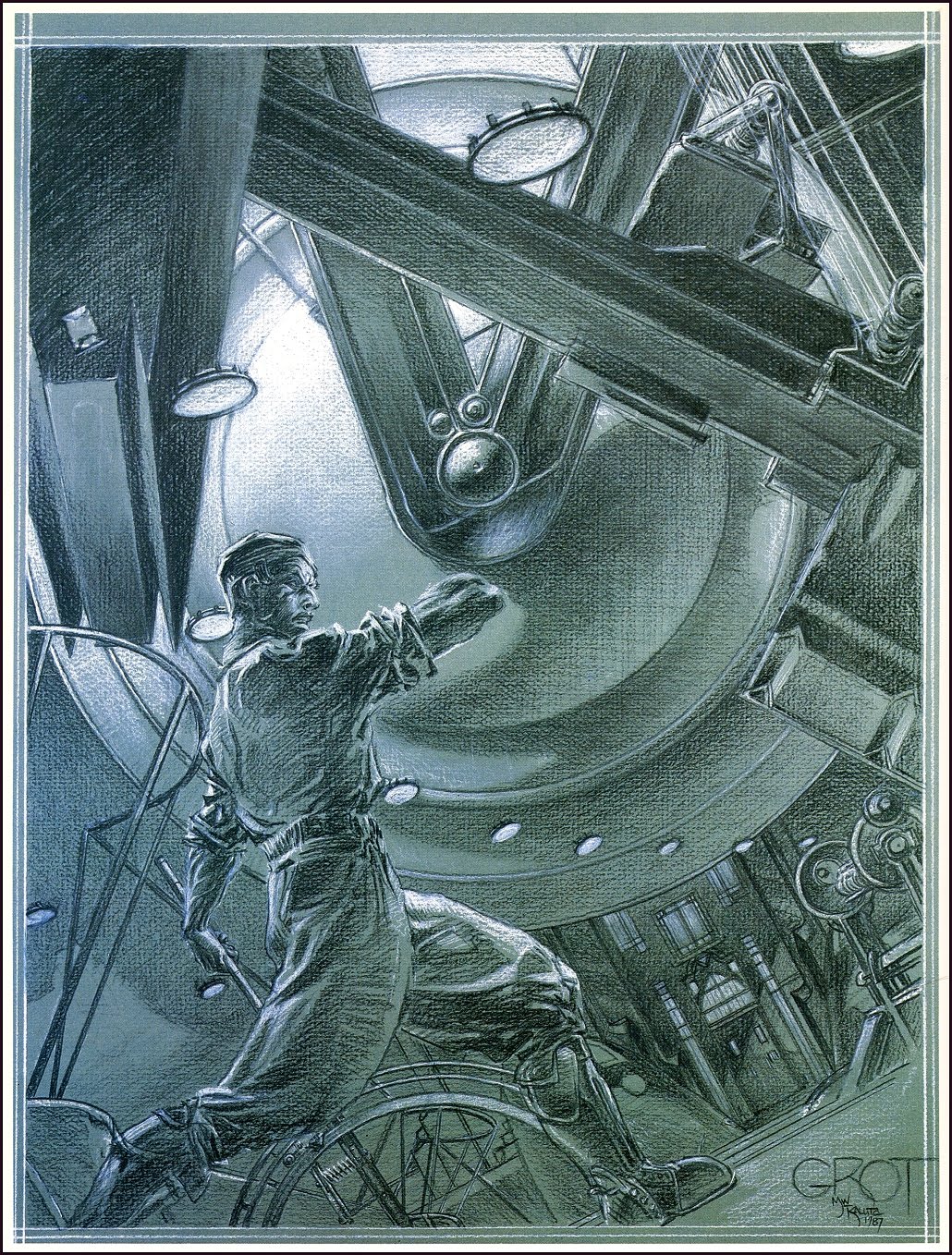
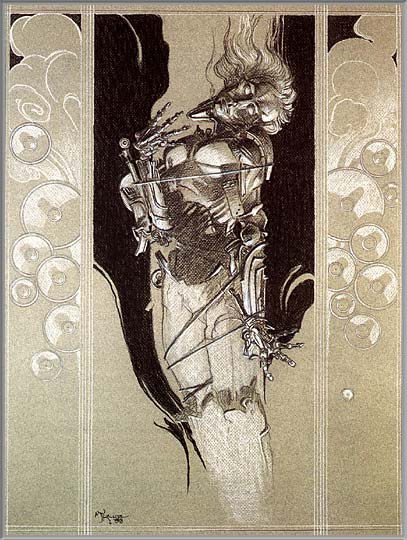


See more on the artist website, or at the source
Fritz Lang’s Metropolis (1927) is a classic favorite of mine.
Michael W. Kaluta published a fantastic series of illustrations in a 1988 Metropolis adaptation.
See more on the artist website, or at the source
I’m going to refrain from commenting too much on this, since the implications of this video are quite profound and I’d like to let everyone form their own impressions. I certainly find it rather powerful.
Here is an adaptation of Plato’s Allegory of the Cave in clay:
Gallery 1988 currently has a big tribute show to one of my all time favorite TV programs: The Twilight Zone!
Another Dimension is a huge group show, filled with pieces inspired by the series.
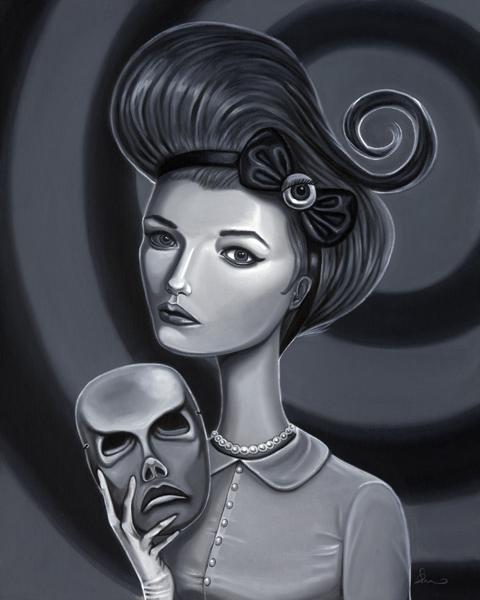
I enjoyed going through them, seeing if I could place the episodes that inspired each painting. A few classic episodes were bound to be chosen quite often, but some rarer ones crept in there as well.
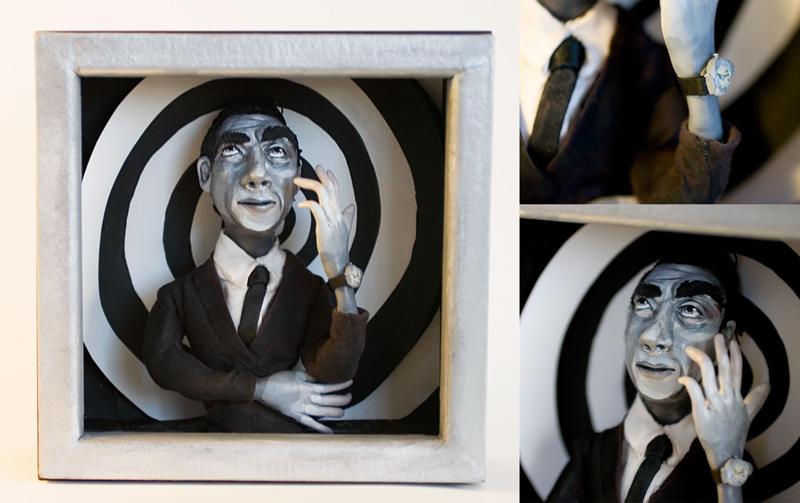
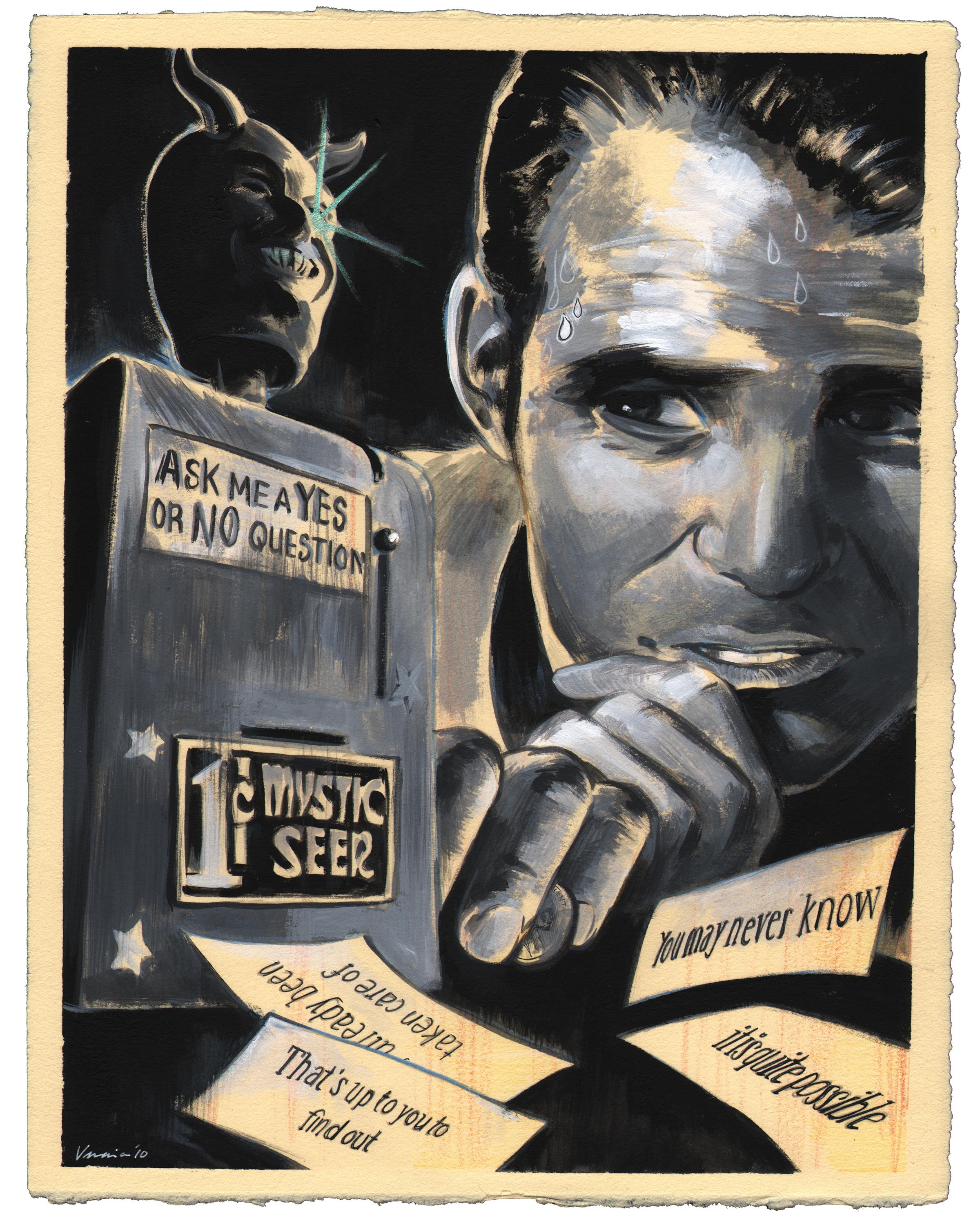
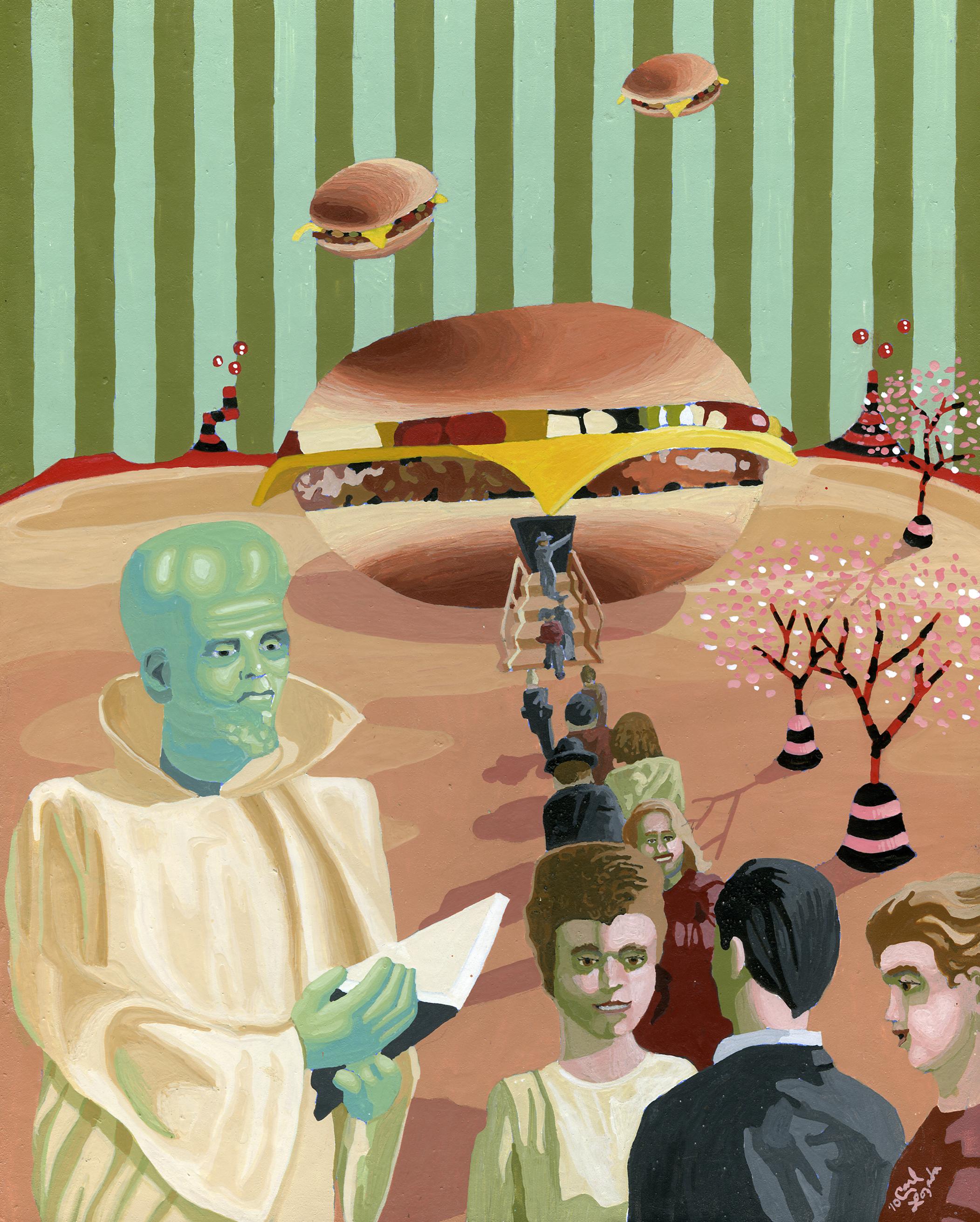

I would have loved to see something from Elegy or Monsters are Due on Maple Street.
See the rest of the show here.
And if you’re a complete geek for the show like I am, you can check out my posts about The Twilight Zone Museum and these awesome toys.
Why does Dinosaur Ballet make me so happy whenever I watch it? I just rediscovered this video after many months…
The other day I watched Fantastic Planet (La Planete Sauvage), and I highly recommend it. This 1973 French animation is like the surreal alien lovechild of Dr. Suess and Salvador Dali.

A band of humans — known as Oms — are kept as domesticated pets by an alien race of blue humanoid giants called Traags in director Rene La Loux’s animated sci-fi classic, said to be based on the Soviet occupation of the Czech Republic. The story centers on an Om named Terr, who escapes his subjugation with a Traag learning device and eventually uses it to educate other Oms and incite them to revolt.

It was incredibly interesting to watch a depiction of human beings treated the way we treat our tiny pets (I wish people would be more careful handling little animals!).

I tried to find some good screencaps, but none of these do justice to the fantastical creations in this film.


If you like strange, wonderful things (and old school animation with visual pencil cross hatching!)…see this movie.
I received links to the I Am A Paleontologist video by TMBG at least three times when it first came out, due to my love of animation and science. When Steph suggested that I check out Sean McBride’s animation projects, I was unaware that I had already seen his work in that video.
I’m a big fan of Dreamscapes, a montage of animated narrations taken from the dreams of many different people. I’ve created many physical objects from dreams, but since I don’t have the skills to produce an animation I really adore this.
And since my delight in the imagination of children never ceases, I enjoyed Why Did Yoda Fight Count Duku? Here, he grants his five year old cousin’s wish to make a movie about Star Wars (using cousin’s art work, story and voice). Okay, so maybe it’s not about Star Wars, but really…does it have to be? (If you answered “yes,” you have no soul, by the way)
There is also a whole series of short animations featuring Sean and a character based on his best friend Tony. Great dry humor. A favorite:
Sean has so many other fun projects that I promptly got sucked into his website, clicking and clicking, until I had no idea where the time had gone. I look forward to seeing more by this talented guy.
Go check out more on his website, or Youtube channel.
Today I had the pleasure of seeing a truly lovely claymation film: Mary and Max.
Based on a true story, Mary and Max chronicles the friendship of two unlikely pen pals; an eight year old Australian girl, and an old Jewish atheist with Asperger Syndrome.
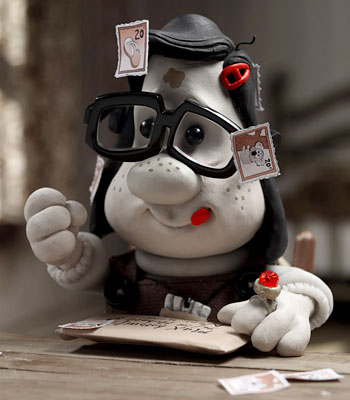
The film was accompanied by a Q&A panel put together by the Asperger Syndrome and High Functioning Autism Association.
Although showing this movie is a wonderful way to expand awareness, it is in no way didactic or clinical. The main character has Asperger Syndrome, but the condition integrates with pathos and humor while remaining delicately informative. The story achieves a balance of innocence and purity without naivety.
Mary and Max is, above all, a movie about being human, “warts and all.” The quirks, insecurities and foibles of the characters are common. It’s the story of a personal connection with all of its ups and downs as life goes on.

The cast of peripheral characters is small, but each has depth and dimension. From Mary’s father, a tea bag factory worker obsessed with taxidermy, to her “wobbly” mother who tells Mary countless lies about her shoplifting and alcohol habit, to the veteran amputee and pompadour-sporting neighbors…everyone has a story implied in a glance.
Mary and Max was done entirely by hand, beautifully designed, constructed and animated without any CGI. There is heart and soul in every scene, engaging the viewer from the first frames. I highly recommend this movie if you ever get a chance to see it. I rarely purchase DVDs (thanks to Netflix), but I will definitely buy a copy of this when it’s available.
I’m pretty entertained by the current NY IFC Center shirts on display; indie film directors revered in the style of rock band logos.
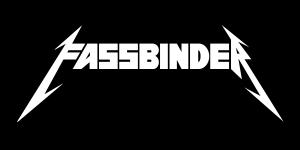




If you’re a metal fan AND you’re into indie film, it’s your lucky day. I’d like that Herzog shirt.
You can get them here.
I was beyond impressed by this submission to the AARP U@50 video contest. Absolutely brilliant (and the contestant is only 20 years old).
Isn’t it lovely to know such inspiring young minds exist?
Found here.
Here is a fantastic little short film from Humble TV.
Conceived of and directed by Sam Stephens, Homunculus is a dark and twisted fable of spontaneous generation and untrammeled id.
Taking its title from the Latin word for “Little Human”, the piece is an associative mashup between the two concepts behind the word: The first being middle-age alchemical beliefs that “little men” could be spontaneous generated from dead or decaying matter. The second being Carl Jung’s usage as a personification of pure id. These ideas, combined with our love of Dutch still life’s “beautiful decay,” sowed the seeds for this unique little monster of a film.
I can’t wait to see what else these guys come up with!
 SheWalksSoftly